

News
Centra Dental
Approximately 4 million Americans wear braces at any given time in order to fix what is classified as a malocclusion. A malocclusion is what we call a “bad bite”, such as crowded teeth, underbites, and overbites. Metal dental braces are an effective and affordable method our dentists in Houston and South Houston use to correct a malocclusion, especially for younger children who prefer to take advantage of early Houston braces treatment. In this article, we will discuss how metal dental braces work so you and your child know what to expect.
What Are Metal Braces Made Of?
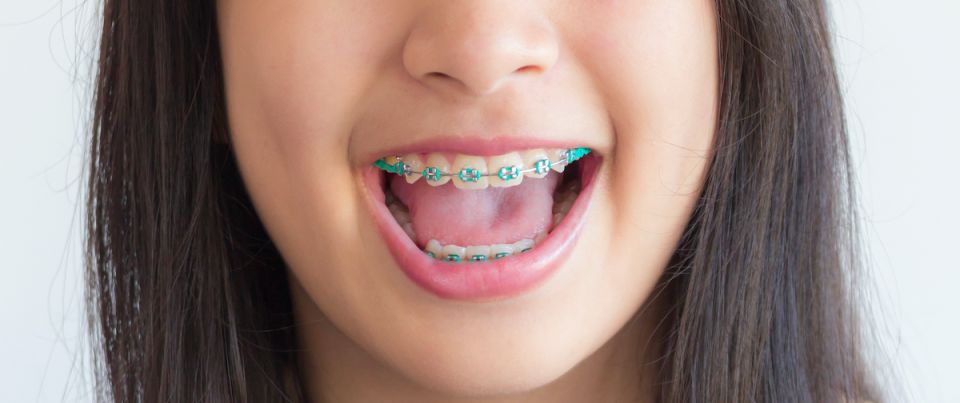
Our metal Houston braces feature 3 key components:
- Metal brackets, which are glued to the front of the teeth with a semipermanent dental cement
- Archwire, which is placed across the brackets
- O-rings, which keep the archwire attached to the metal brackets
How Houston Braces Straighten Your Child’s Teeth
Our Houston and South Houston family dentists offer metal braces that are thinner (and therefore far lighter in weight) than most other metal braces available.
All types of Houston braces that we offer do the same job in principle: they apply pressure to the teeth, which gradually moves them to their desired position. When it comes to metal dental braces, our South Houston braces dentist will tighten the archwire on a regular basis. Tightening the archwire in a certain way helps push the teeth in the direction we intend for them to go, thanks to the help of our state-of-the-art 3D modeling software.
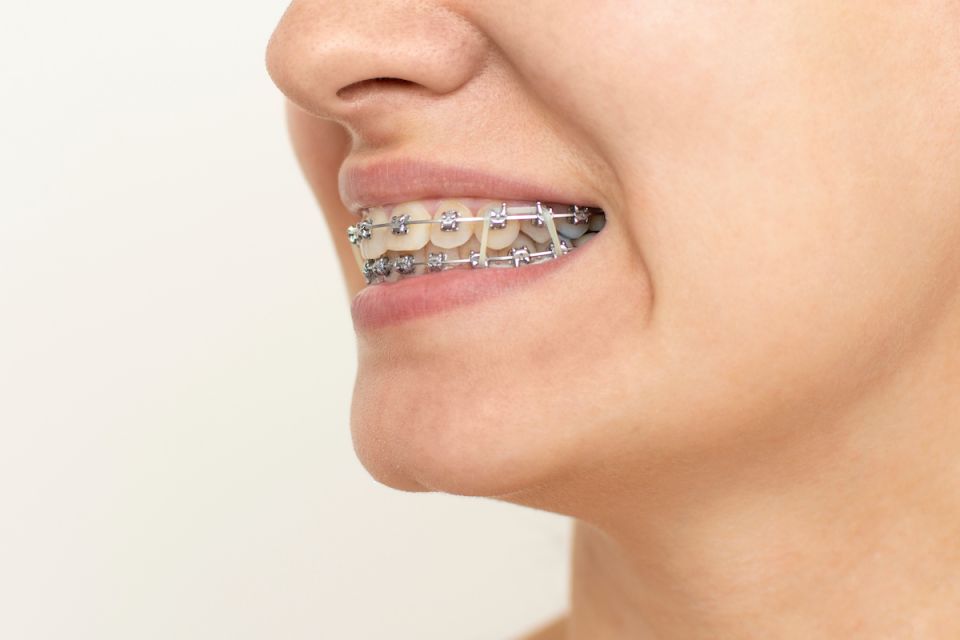
In some cases, especially if you have an overbite or an underbite, we will incorporate rubber bands into your Houston braces treatment.
Is Your Child Ready For Houston Braces? Centra Dental Is Your Go-To Braces Expert!
Whether you are in Houston or South Houston, our family dentists are here for your dental braces needs. We offer affordable dental braces for as low as $99/month and our caring staff and advanced technology ensure that you have the best possible experience every time you visit us. If you think your child might benefit from metal dental braces, then please book an appointment with us at one of our offices so we can begin with a braces consultation. We look forward to embracing your smile!
Centra Dental
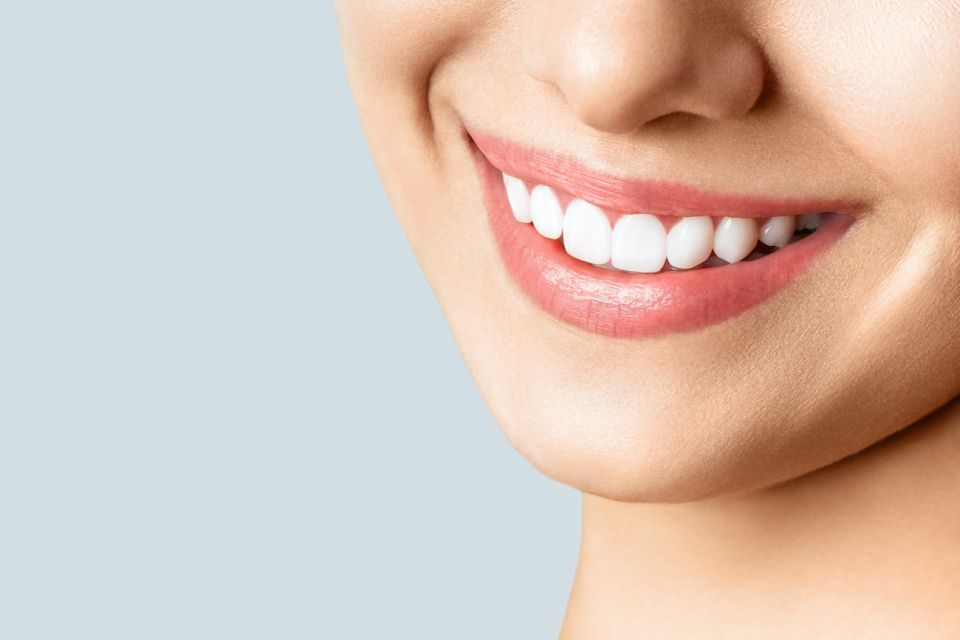
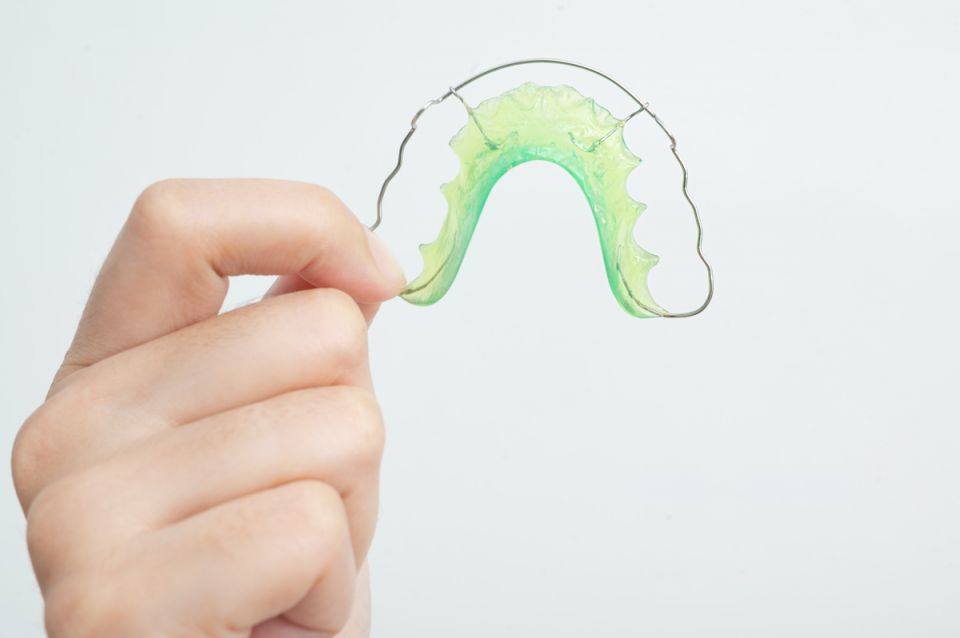
After Houston braces, our patients have to wear orthodontic appliances known as retainers in order to maintain the new alignment of their teeth. There are several types of retainers available, each with different pros and cons. However, they all have one thing in common besides protecting your teeth from shifting again: they need to be worn properly in order to maximize their effectiveness. When you wear your retainers and take proper care of them, your teeth will be straight and healthy for years and years to come!
Wearing Your Retainers As Instructed
We understand that wearing retainers after finishing Houston braces treatment is quite the dread, but it is absolutely critical if you want to enjoy your brand new smile for years to come. Otherwise, your teeth will quickly go back to their old, misaligned position. We typically recommend that our patients at our Houston and South Houston family dentist offices wear their retainers for 24 hours a day (except when eating) for at least 6 months to a year. However, this will depend on the individual. Once this initial time period is over, you should wear your retainers every night while you sleep.
Cleaning Your Orthodontic Retainers
There are different types of retainers available to our patients. Much like our Houston braces, which type we recommend to you depends on your particular case. Since you spend much of your time wearing your retainers in the first phase, they will collect whatever is on your teeth, including bacteria, plaque, and tartar. If illness-causing bacteria such as streptococcus is left to accumulate on your retainers, you may get sick with an infection, so it is imperative you clean them every day.
Traditional Hawley retainers and transparent removable retainers may be brushed with a soft-bristle toothbrush after each meal. You may also be able to soak your retainers in a cleaning solution, but be sure to ask us for recommendations so you’re keeping your retainers in tip-top condition. We can also discuss how long you should soak them for, as you don’t want to soak them too long. Soaking Hawley retainers for too long may corrode the metal components.
Bonded retainers, on the other hand, are best cleaned by flossing them when you floss your teeth since this type of retainer is glued to the back of your teeth. Our Houston and South Houston family dentists will be more than happy to teach you the proper flossing technique as well.
Visit Our Family Dentist In Houston And South Houston To Learn About Proper Retainer Care
If you are about to wear retainers or have been wearing them for some time, then please book an appointment with us so we can check on your alignment and assess how well you are taking care of your teeth. We will help keep your perfect smile for years to come!
Centra Dental
You may have seen ceramic and metal dental braces patients wearing rubber bands at some point during the course of their treatment. If you or your child is about to undergo Houston braces treatment at one of our family dentist offices in Houston and South Houston, then you might be wondering if you (or your child) will also have to wear rubber bands. In this article, we will answer this question while also explaining the importance of rubber bands.
What Are Rubber Bands Used For
Rubber bands are primarily used as a way to correct your bite, specifically if you have an overbite or an underbite. These rubber bands apply additional pressure to your jaw in order to guide it to the right placement in a more accelerated manner than your braces would without rubber bands.
Wearing Rubber Bands With Your Dental Braces
Because rubber bands accelerate the correction of your malocclusion, getting to this phase in your Houston braces treatment is a pretty big, exciting deal! They are a major milestone in your overall treatment, but not everyone has to wear rubber bands. Typically, if our Houston braces patients don’t have an overbite or underbite, but do experience crowding in their teeth, then they may not need rubber bands. However, they are still an option that we will recommend based on each individual patient case.
Similar to wearing retainers after braces, it is critical to the success of your treatment that you wear your rubber bands as directed if you want to complete your braces treatment on time (or, in some cases, earlier!). Most of the time, our South Houston family dentists recommend you wear your rubber bands at least 10-12 hours a day, but in some cases, we recommend wearing them for 24 hours except for when you’re eating, brushing your teeth, and flossing. It isn’t rare for patients to begin wearing bands 24/7 and then switch to just a few hours a day.
Our Houston Family Dentists Will Recommend Rubber Bands If Your Treatment Requires It
If you’re about to undergo braces treatment, or if you are curious about if/when you might need rubber bands, then please book an appointment with us so we can perform a teeth cleaning before your dental benefits expire and evaluate your bite before making a recommendation. We can’t wait to embrace your smile!
Centra Dental
Approaching the end of your Houston braces treatment is an exciting feeling because you will be able to show off a gorgeous smile really soon! However, giving you a new smile doesn’t just finish there. In fact, once your treatment is completed, you will have to switch to wearing orthodontic retainers for an extended period of time, but don’t worry–they are more flexible than dental braces. In this article, we will explain the importance of wearing retainers after your Houston braces treatment.
Your Teeth Will Tend To Shift Again
Both children and adults who wear braces will experience this. This occurs because the teeth haven’t had a chance to fully settle into the soft tissues of your mouth. Remember that, for at least an entire year, your teeth have been 100% reliant on metal, ceramic, or even plastic from your Invisalign Clear Aligners in order to hold them in place. To mitigate this and let them settle into their new alignment, you should wear your retainers day and night for at least a year, but this will also depend on the individual’s case.
Retainers Protect Your Investment
Wearing retainers after completing your Invisalign, metal, or ceramic Houston braces treatment is a sure way to make your investment in your smile well worth it. As we age, our teeth naturally try to shift again, and as frustrating as this is, remember that your dental braces prevented (or got rid of) some serious complications with your dental health. By diligently wearing your retainers day and night and then transitioning to only wearing them most nights, you will strengthen your teeth so they remain straight and healthy for years and years to come. You might even get to enjoy your new, perfectly aligned smile for the rest of your life.
Get Fitted For Retainers at Centra Dental In Houston And South Houston
When you’re near the end of your Houston braces treatment, please book an appointment with us so we can confirm that you’re ready for your braces to be removed soon. At this appointment, we will also take impressions of your new smile so we can fit you for your retainers and educate you and how to wear them. We can’t wait to embrace your smile!
