

Dental Anxiety Is Real, and So Are the Ways to Manage It
Centra Dental
Quick Answer
Dental anxiety is a genuine and widespread concern affecting many individuals, ranging from mild nervousness to severe dental phobia. Effectively managing this fear of the dentist involves a combination of patient-focused strategies, from open communication and relaxation techniques to modern comfortable dental experiences and tailored calm dental treatments.
Dental anxiety is a real and often debilitating challenge that keeps countless individuals from seeking the essential care they need. It’s more than just a fleeting worry; for many, it's a profound fear of the dentist that can lead to delayed appointments, worsening oral health, and significant emotional distress. We understand that confronting this anxiety can feel overwhelming, but the good news is that there are many proven, compassionate ways to manage dental phobia and transform your experience.
We believe everyone deserves a positive and comfortable dental experience. We’ve seen firsthand how effective strategies, clear communication, and a patient-centered approach can make all the difference. This guide explores what dental anxiety is, why it happens, and most importantly, the practical steps you can take—and that practices can implement—to achieve calm dental treatments and maintain optimal oral health.
What Exactly Is Dental Anxiety, and Why Does It Happen?
Dental anxiety refers to a range of negative emotions, from slight apprehension to intense fear or panic, specifically related to dental settings or procedures. It's a psychological response to perceived threats, which can manifest before, during, or even after a dental appointment. This isn't just about being a little nervous; it's a significant barrier to care for many.
How Common is Fear of the Dentist?
The fear of the dentist is remarkably prevalent across all age groups, affecting children, adults, and entire families. While exact figures vary, research suggests that approximately 36% of the population experiences moderate to severe dental anxiety, with another 12% suffering from extreme dental phobia. This means a significant portion of people actively avoid or delay dental visits due to intense apprehension. Recognizing this widespread challenge is the first step toward effective management and fostering a more comfortable dental experience for everyone.
"Estimates show that up to 75% of adults in the U.S. experience some level of dental fear, ranging from mild to severe, highlighting its pervasive impact on public health."
Root Causes of Dental Phobia
Understanding why someone develops a fear of the dentist is crucial for effective management. Often, dental phobia stems from a combination of factors, creating a complex emotional landscape for patients.
Past Traumatic Experiences: A previous painful or uncomfortable dental visit, especially in childhood, can leave a lasting impression. Negative experiences, such as perceived lack of control or dismissive care, are strong predictors of future anxiety.
Fear of Pain: The anticipation of pain, even if not experienced before, is a primary driver. Stories from others, media portrayals, or general apprehension about needles and drills contribute significantly.
Loss of Control: Lying back in a dental chair, with instruments in one's mouth, can evoke feelings of helplessness and vulnerability. This perceived loss of control is a major trigger for many anxious dental patients.
Embarrassment or Shame: Some individuals feel self-conscious about the condition of their teeth or bad breath, fearing judgment from dental professionals.
Generalized Anxiety Disorders: People already predisposed to anxiety disorders may find dental settings particularly triggering, as the environment can amplify existing anxieties.
Sensory Overload: The sounds, smells, and bright lights of a dental office can be overwhelming, especially for those with sensory sensitivities.
🥧 Common Triggers for Dental Anxiety (Patient Survey Est.)
Fear of Pain: 35%
Negative Past Exper…: 25%
Loss of Control: 20%
Embarrassment/Shame: 10%
Sensory Overload: 10%
Recognizing the Signs: Is It Just Nerves or Something More?
It's natural to feel a little jittery before any medical procedure, but dental anxiety goes beyond simple nerves. Recognizing the specific signs can help both patients and dental teams tailor the right support.
Physical and Emotional Manifestations
The symptoms of dental anxiety can be quite varied, impacting both the body and mind. Patients might experience:
Physical Symptoms: Increased heart rate, sweating, trembling, difficulty breathing, muscle tension, stomach upset, or even fainting. These are the body's fight-or-flight responses.
Emotional Responses: Intense feelings of panic, dread, irritability, crying, or a strong urge to escape. Some individuals might become withdrawn or extremely quiet.
Behavioral Avoidance: The most telling sign is the consistent avoidance of dental appointments, cancellation of scheduled visits, or delaying necessary treatments for extended periods.
When to Seek Specialized Support
If dental anxiety is severely impacting your ability to receive necessary care, leading to deteriorating oral health, or causing significant distress in anticipation of appointments, it's time to seek specialized support. This might involve working with a dentist who specializes in anxious patients, exploring sedation options, or even consulting with a therapist to address underlying phobias using techniques like cognitive behavioral therapy (CBT). A personalized approach is key to truly overcoming dental fear.
Practical Strategies for Overcoming Dental Fear
Managing dental anxiety is a collaborative effort between the patient and the dental team. Patients have an active role to play in preparing themselves, and effective dental practices prioritize creating an environment that supports these efforts.
Open Communication and Comfort Signals
One of the most powerful tools in managing dental anxiety is open, honest communication. Before your appointment, or even upon booking, clearly express your concerns to the dental staff. This allows them to prepare and adapt their approach.
Pre-Appointment Discussion: Share your specific fears—whether it's needles, the sound of the drill, or a fear of gagging. The team can then explain procedures in detail, set expectations, and discuss comfort measures.
Establishing a "Stop" Signal: Agree on a non-verbal hand signal (like raising a hand) that you can use at any point during the procedure to indicate you need a break, more anesthetic, or simply a moment to compose yourself. This restores a sense of control.
Asking Questions: Don't hesitate to ask about anything that concerns you. Understanding each step can demystify the process and reduce apprehension.
Relaxation Techniques for a Calm Dental Experience
Engaging in relaxation techniques can significantly reduce stress levels before and during your visit.
Deep Breathing Exercises: Practicing slow, deep breaths can calm the nervous system. Inhale slowly through your nose, hold for a few seconds, and exhale slowly through your mouth. This can be done in the waiting room and even in the dental chair.
Progressive Muscle Relaxation: Tense and then relax different muscle groups in your body, starting from your toes and working your way up. This helps release physical tension often associated with anxiety.
Guided Imagery or Meditation Apps: Listening to calming music, a guided meditation, or visualizing a peaceful scene can divert your focus from the dental procedure. Many apps offer short, effective exercises.
💡 Tip
Before your appointment, try creating a "comfort kit" with items like headphones for music or podcasts, a small stress ball, or even a soothing scented item (like a lavender sachet) to help you relax at the dentist. These personal touches can make a big difference in feeling more in control.
Distraction and Sensory Management
Engaging your senses in a different way can shift your focus away from the perceived threat.
Music or Podcasts: Bring headphones to listen to your favorite tunes or an engaging podcast. This can drown out anxiety-inducing sounds of dental equipment.
Audiovisual Entertainment: Some modern practices offer ceiling-mounted TVs or virtual reality goggles that allow you to watch movies or shows during treatment.
Stress Objects: Squeezing a stress ball or holding a comforting object can provide a physical outlet for nervous energy.
How Modern Dental Practices Provide a Comfortable Dental Experience
Today's dental practices are increasingly equipped and trained to address dental anxiety head-on, prioritizing patient comfort and a calm dental experience.
Advanced Sedation and Pain Management
Modern dentistry offers a range of options to ensure patients are comfortable and pain-free. These are crucial for those with higher levels of dental anxiety or those undergoing more extensive treatments.
Nitrous Oxide (Laughing Gas): A mild sedative inhaled through a mask that helps you relax and feel detached. Its effects wear off quickly after the procedure.
Oral Sedation: Medication taken orally before the appointment to induce a state of relaxation and drowsiness. While you remain conscious, you'll likely have little memory of the procedure.
IV Sedation: Administered intravenously, this provides a deeper level of sedation, often described as "twilight sleep." You'll be conscious but deeply relaxed, allowing for complex procedures to be completed without distress.
Local Anesthetics: Highly effective at numbing the treatment area, ensuring pain-free procedures. Techniques like topical numbing gels are often used beforehand to make injections more comfortable.
📊 Reported Effectiveness of Anxiety Management Strategies (Patient Feedback)
92%
85%
78%
70%
Creating a Welcoming Environment
Beyond clinical procedures, the overall atmosphere of a dental practice plays a significant role in helping patients relax at the dentist.
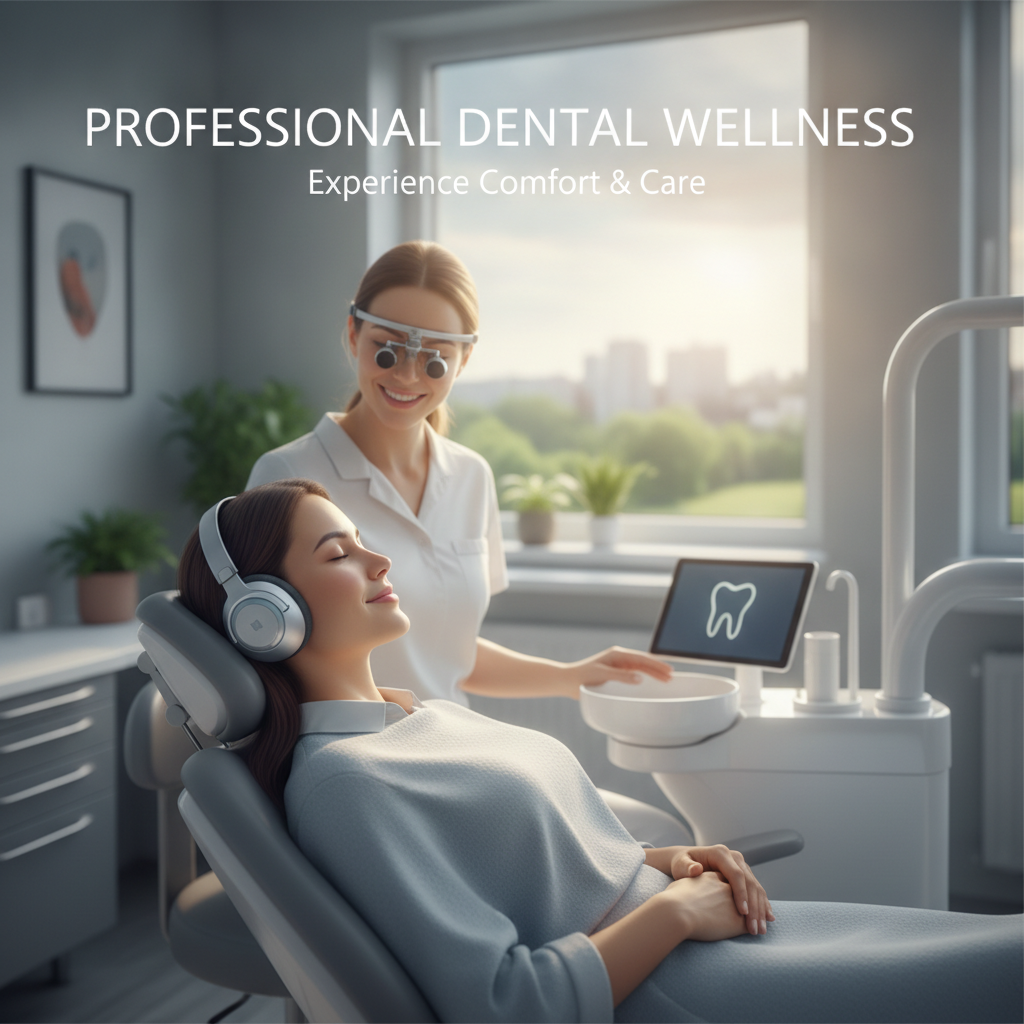
Comfort-Focused Design: Many practices now incorporate soothing colors, comfortable seating, gentle lighting, and even pleasant aromas to create a spa-like feel rather than a stark medical environment.
Empathetic Staff Training: Front desk staff, hygienists, and dentists are often specifically trained in techniques to calm anxious patients, using gentle language, active listening, and a patient-first approach.
Patient Amenities: Blankets, neck pillows, warm towels, and complimentary refreshments are common offerings designed to enhance comfort and make the experience more pleasant.
Tailored Approaches for Children and Families
Managing dental anxiety for children requires a specialized touch. A positive first experience can shape a child's attitude toward dental care for life.
Pediatric Specialists: Dentists specializing in pediatric care are skilled at making visits fun and reassuring, using kid-friendly language and environments.
Positive Reinforcement: Praising children for their bravery and cooperation, and offering small rewards, can create positive associations with dental visits.
Parental Presence: Allowing parents to be present during parts of the examination or treatment can provide comfort and reassurance for younger patients. Family-focused practices understand that supporting the whole family unit is key to long-term oral health.
Key Takeaways: Moving Forward with Confidence
Dental anxiety is a widespread and valid concern, but it is not an insurmountable obstacle. With the right strategies and a supportive dental team, overcoming dental fear and achieving a comfortable dental experience is entirely possible. Open communication, proactive relaxation techniques, and leveraging modern dental advancements are your best tools. We believe in empowering every patient to approach their dental health with confidence and peace of mind. Your journey to calm dental treatments starts with acknowledging your feelings and taking the first step towards a supportive practice.
A Gentle Welcome to Comfortable Dentistry
Don't let past anxieties dictate your future oral health. We understand, and we're here to listen, support, and guide you towards dental care that feels safe, gentle, and empowering. Reach out today to schedule a conversation, not just an appointment, and experience the difference a truly patient-centered practice can make.
