

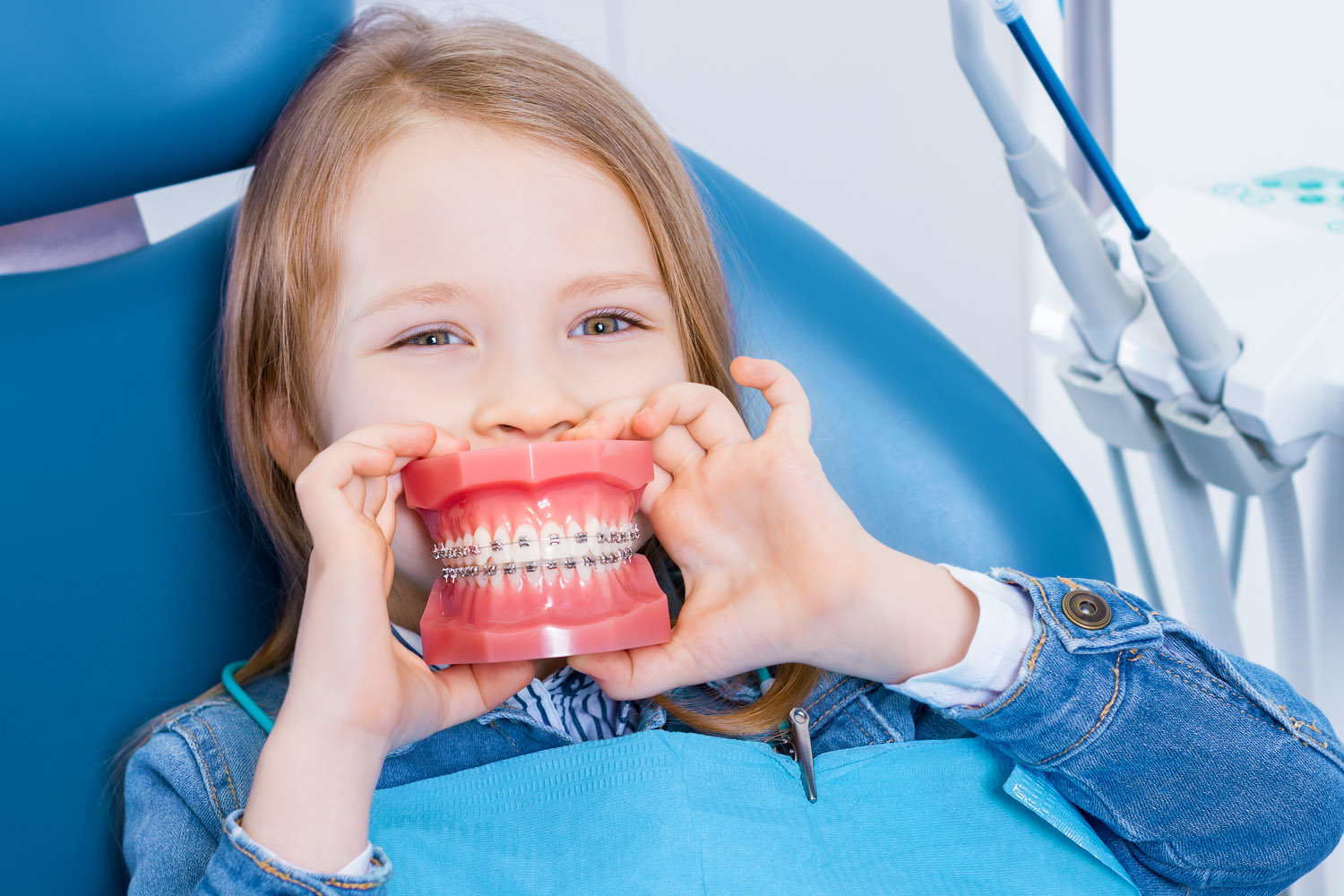
At What Age Should My Child Get Braces in Houston?
Centra Dental
The American Association of Orthodontists recommends every child have a first orthodontic evaluation by age 7, even though most children at that age aren't actually ready to start treatment. Research on early intervention suggests that only a small share of children, roughly one in ten, benefit from treatment starting this young, while the majority are simply monitored until their permanent teeth are ready for a more complete plan.
For Houston parents searching for braces near me or wondering when to schedule that first visit, understanding this timeline helps set realistic expectations before ever stepping into an orthodontic office.
Why Age 7 Is the Recommended Starting Point
By age 7, most children have a mix of baby and permanent teeth, including their first adult molars. This combination gives an orthodontist enough information to spot developing issues like crowding, crossbites, or unusual jaw growth patterns while there's still time to guide them in a better direction (American Association of Orthodontists, 2026).
This first visit functions as a screening, not a commitment to treatment. Parents searching for kids braces near me sometimes assume this appointment means their child will leave wearing braces, but in most cases the visit simply establishes a baseline so the orthodontist can track how things develop over the following years.
What an Early Evaluation Actually Involves
A first orthodontic visit typically covers a short list of core questions: whether a problem exists, what it is, when treatment should begin if needed, how long it's expected to take, and whether any teeth need to be removed to make room for others (American Association of Orthodontists, 2026). Most children who complete this evaluation at age 7 won't need braces right away. Instead, the orthodontist notes what they observed and schedules periodic check-ins to watch how the bite and jaw continue to develop.
What Happens If a Problem Is Found Early
When an orthodontist does catch a developing issue during this early evaluation, certain interventions work best while a child is still growing. A palatal expander, for example, can gradually widen a narrow upper jaw by gently separating the bone at the roof of the mouth, which is only possible before that growth plate fully closes (American Association of Orthodontists, 2026).
Catching a skeletal issue at age 7 to 10, rather than waiting until the teenage years, can sometimes mean the difference between a simpler two-phase approach and a more invasive surgical correction later on.
When Different Age Groups Typically Start Treatment
| Age Range | What Typically Happens |
|---|---|
| Age 7 | First evaluation; most children are monitored, not treated |
| Ages 8–10 | Early ("Phase 1") treatment for select jaw or bite issues, if needed |
| Ages 11–14 | Most comprehensive orthodontic treatment begins during this range |
| Ages 15+ | Teens and adults can still pursue braces or clear aligners effectively |
This general timeline helps explain why age 7 functions as a checkpoint rather than a starting gun. Most comprehensive treatment doesn't begin until a child has lost the majority of their baby teeth, typically somewhere between ages 11 and 14, though every child's development moves at its own pace.
Signs Parents Shouldn't Wait to Have Checked
A handful of signs are worth a same-week phone call rather than waiting for a scheduled check-up:
- Early or late loss of baby teeth compared to siblings
- Difficulty biting or chewing food
- Mouth breathing or persistent snoring
- Thumb-sucking that continues past the toddler years
- Jaws that appear to shift or make sounds when opening and closing
None of these guarantee a child needs braces, but each is a reasonable prompt to move up the timeline for an evaluation rather than waiting.
Making Treatment More Accessible for Houston Families
Cost is one of the biggest factors parents weigh when searching for affordable braces Houston options, and it's a legitimate concern rather than something to feel embarrassed about bringing up during a consultation. At Centra Dental, we work with Medicaid and several PPO insurance plans, and we offer both traditional metal braces and ceramic options depending on a family's budget and preferences.
If you're looking for an orthodontist near me for braces who will walk you through your child's specific timeline honestly, rather than pushing early treatment they don't yet need, our team starts every case with a full evaluation before recommending any next steps.
If cost or the visibility of metal brackets is a bigger concern than complexity of the case, our clear aligners page is worth reviewing as well, since some teens and adults can reach a similar result without traditional brackets and wires. You can also browse our full range of dental services to see how orthodontic care fits into your family's broader oral health plan.
Ready to find out where your child actually stands? Schedule a braces consultation with Centra Dental today to get a clear, honest answer about timing, treatment options, and cost, whether your child is 7 or 17.
Sources
American Association of Orthodontists. "Child Orthodontics." aaoinfo.org, 2026.
American Association of Orthodontists. "The Milestone Visit: Why Age 7 Is the Best Age for Orthodontic Treatment." aaoinfo.org, 2026.
American Association of Orthodontists. "The Right Time: When Should Your Child See an Orthodontist?" aaoinfo.org, 2026.
